Elizabeth Palmer Peabody (16 May, 1804 – 3 January, 1894) was an author and an education pioneer, especially for kids six and younger.
A Bookish Blog
Elizabeth Palmer Peabody (16 May, 1804 – 3 January, 1894) was an author and an education pioneer, especially for kids six and younger.
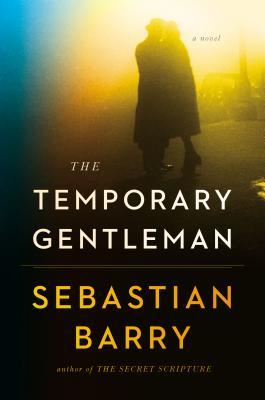
It seems as if Mr. Barry put great thought into the narrative of this book. Each of us, I’m sure, can go back and point to events which, in our opinion, were either a turning point or crossroads in our linear path even though we did not know it at the time – this is what McNulty is writing about.
The story is more of a romance and very predictable, I found myself skimming through the last half of the book.

John Tenniel (28 February, 1820 – 25 February, 1914) was a British illustrator and cartoonist whose work was prominent during the second half of England’s 19th century. These days Mr. Tenniel is remembered, in part, as the illustrator for Alice in Wonderland […]

Israel Zangwill was a British writer and humorist who dedicated his life to causes of the oppressed, from women’s suffrage to Jewish emancipation.
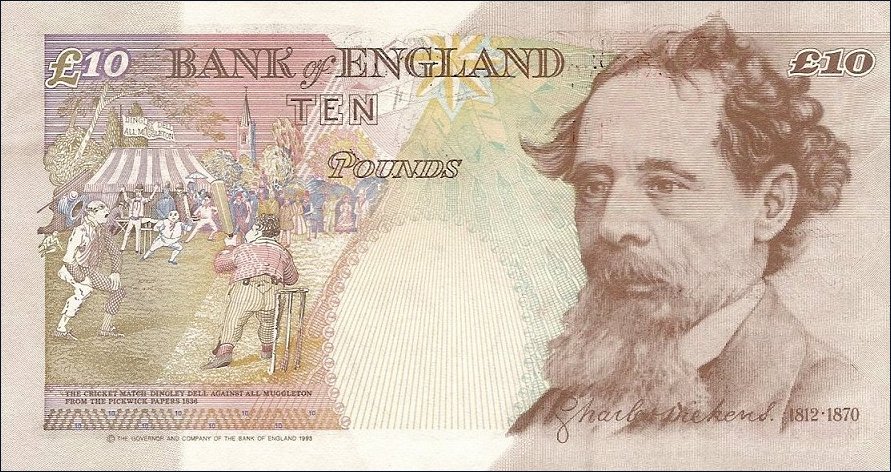
Charles Dickens (7 February, 1812 – 9 June, 1870), prolific English author, is known to this day as the quintessential Victorian author.
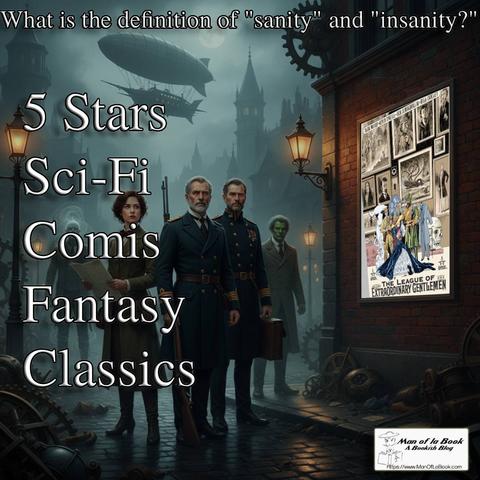
About:The League of Extraordinary Gentlemen, Vol. 1 by Alan Moore is a graphic novel collecting issue from the first run of this popular series. A movie by the same title was made in 2003, however don’t let that turn you off from […]
The Lost Art of Gratitude by Alexander McCall Smith was my first Isabel Dalhousie novel (but the sixth in the series), a philosopher who pontificates about the mundane and lives in her own private hell where every word, gesture and movement has to be thought about, absorbed and dissected.
Mr. Riggs certainly is a talented writer with an eye for strange and wonderful characters. Much like the first book, the author uses weird and mesmerizing photographs to compliment the story.
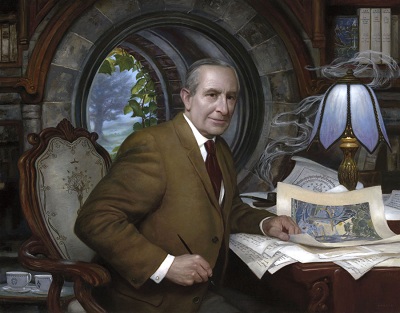
J.R.R. Tolkien (3 January 1892 – 2 September 1973) was an English writer, poet, philologist, and university professor. He also wrote some fantasy books as well.