The first federal copyright laws (1790) were instituted much due to Mr. Webster’s efforts to protect his work (even though he “borrowed” as well).
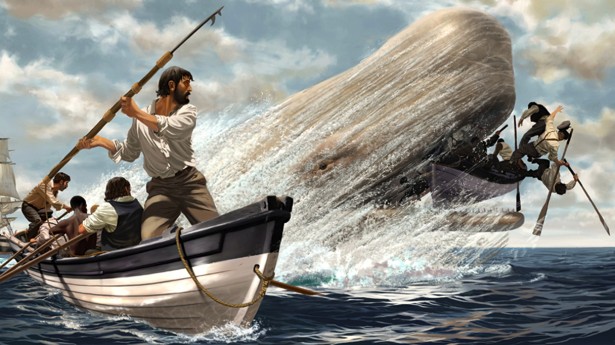
Herman Melville (1 August, 1819 – 28 September, 1891) was an American writer and poet, and writer of short stories. Melville is best known for his whaling novel Moby-Dick , published in 1851.
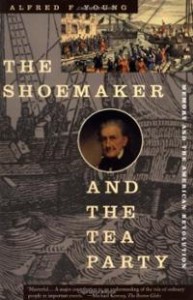
The book is actually two well written essays. The first essay is a fascinating look at Colonial America and the life of an 18th Century regular people without the wealth and genealogy of many of our Founding Fathers. The second part is more of a scholarly essay about uses and methods of history.
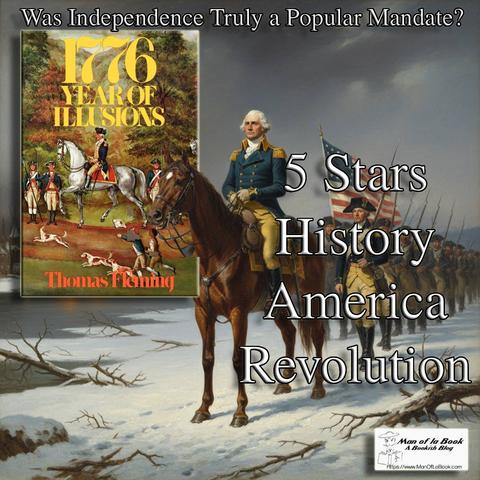
Article originally published as Book Review: 1776 Year of Illusions by Thomas Fleming on Blogcritics.org About: 1776 Year of Illusions by Thomas Fleming is a non-fiction book about the tremulous year. Mr. Fleming is a historical novelist and historian with special interest in the […]

BAND (Bloggers’ Alliance of Nonfiction Devotees) is a group of people devoted to reading and discussing nonfiction and to promote its nonboringness. Its brilliant! Each month they post a question which other members answer. BAND’s brilliant leader is Kim @ Sophisticated Dorkiness. Check […]
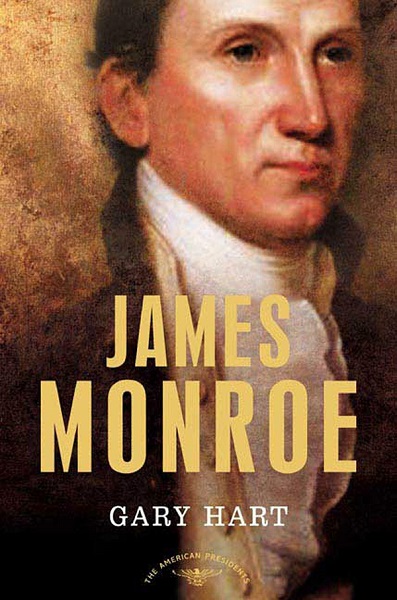
James Monroe s a short biography written by Gary Hart (US Senator, D – CO) about the 5th President of the United States, last one to server in the Revolution
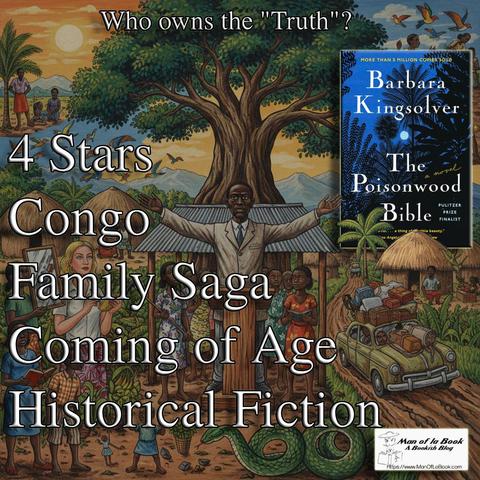
About: The Poisonwood Bible by Barbara Kingsolver tells of a family of missionaries went to the Congo during a turbulent time of the later 1950s. Ms. Kingsolver is an award-winning, best-selling American author. My rating for The Poisonwood Bible – 4Buy The […]
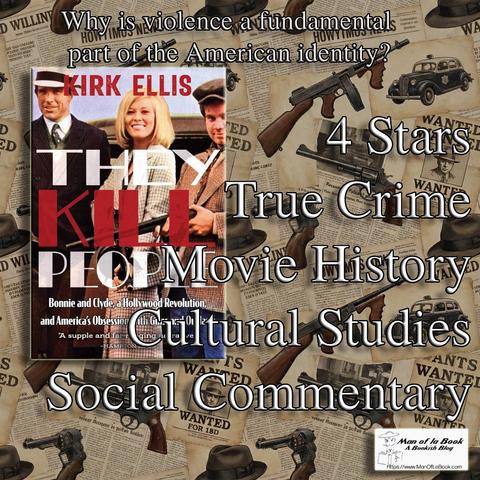
About: They Kill People: Bonnie and Clyde, a Hollywood Revolution, and America’s Obsession with Guns and Outlaws by Kirk Ellis tells of the fascination of the American psyche with outlaws and firearms through the lens of Bonnie & Clyde, the criminals and […]
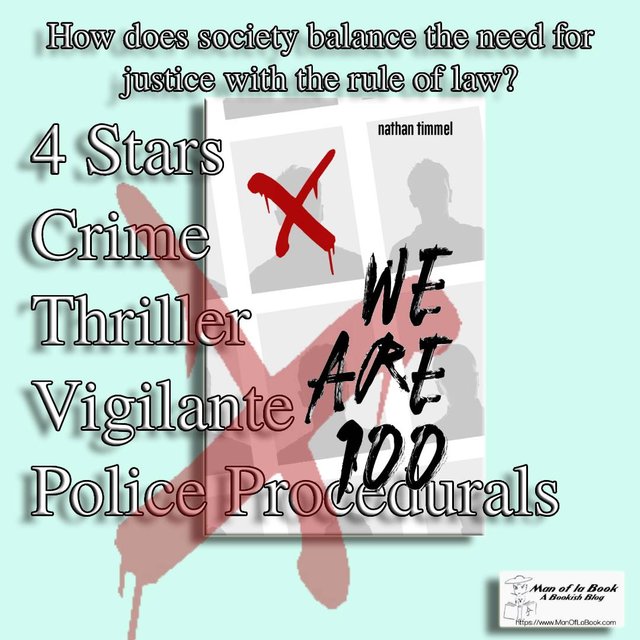
The story in We are 100 is certainly thrilling, and eerily relevant in a time where many mini-revolutions are happening due to many reasons
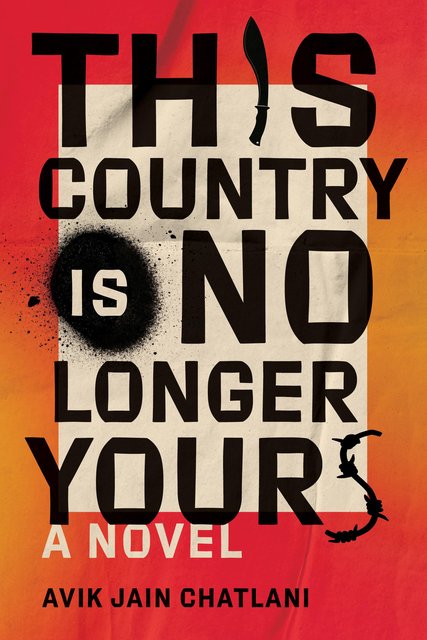
I hated the author’s passive-aggressive agenda. It just rubbed me the wrong way and seemed hell-bent on incorporating it into his book