
108 Rock Star Guitars by Lisa S. Johnson is a book featuring photographs of guitars (and guitars only) of famous guitarists. The book took 17 years to compile
A Bookish Blog
108 Rock Star Guitars by Lisa S. Johnson is a book featuring photographs of guitars (and guitars only) of famous guitarists. The book took 17 years to compile
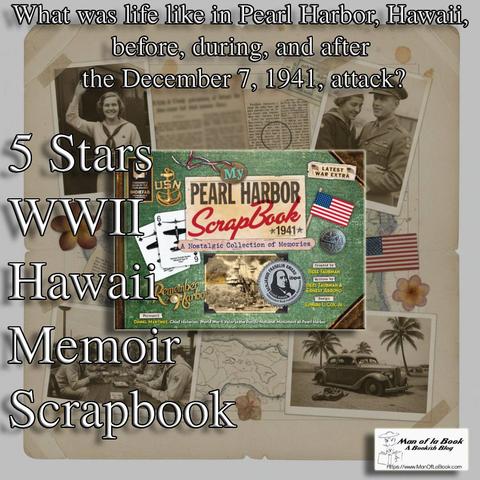
My Pearl Harbor Scrapbook 1941 by authors Bess Taubman & Ernest Arroyo and illustrated by Edward L. Cox Jr. is a non-fiction book which has the look and feel of a post WWII scrapbook and tells the story of the attack on Pearl Harbor and its aftermath.
The author’s astute understanding of the material has provided the book with a fresh take on a man that so much has been written about. Mr. Robert’s understanding of the times and personalities helped him convey that information in a clear, concise manner which kept this book relatively short (considering Napoleon’s notoriety and achievements).
While I might not be the greatest Jane Austen devotee (a Janeite as I learned), I do appreciate her talent and I do love history and books about books. This book could easily be categorized under “History” in any bookstore, the artwork is varied, chronological and the text explains the pictures in the historical context in which they are presented.
t’s amazing to read about the history of the Talmud paralleled that of the Jewish people. During the pogroms and ages which anti-Semitism was a societal and politically accepted, those who seek to destroy the Jews tried also to destroy the Talmud, mainly because they didn’t understand what it was about (ridiculously bringing about the blood-libel scenarios over and over).
About: Escape from Sobibor by Richard Rashke is a non-fiction book which details the biggest escape from a Nazi concentration camp in Poland during World War II. The book was first published in 1982 and won acclaim world wide. 416 pages Publisher: […]

The story of the small village and its surroundings were responsible for saving thousands of people during World War II who were on the Gestapo’s wanted list
The story is told through the eyes of the woman who lived it, while it took around the same time, each one had an individual and unique experience. While the synopsis might sound like a fairytale (falling in love, crossing the ocean, etc.) the reality was much harsher and difficult.
About: Normandy: A Graphic History of D-Day, The Allied Invasion of Hitler’s Fortress Europe by Wayne Vansant is a graphic novel recounting the events of that fateful day and those leading up to it. 104 pages Publisher: Zenith Press Language: English ISBN-10: […]
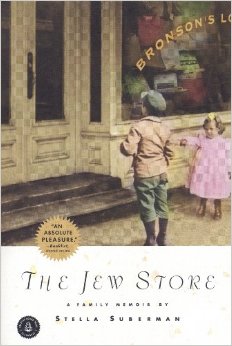
The book is not only a memoir, but a commentary about the life in a small southern town circa the 1920s. A town where almost everyone never even saw a Jew nevertheless interacted with one.