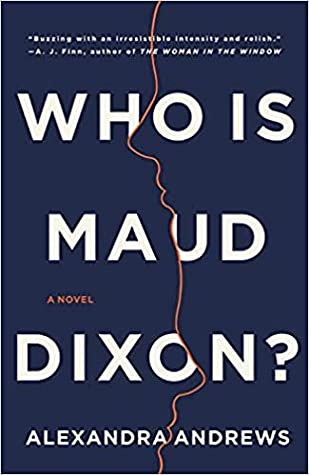
Who Is Maud Dixon? by Alexandra Andrews is quirky and fun, there is always a dark cloud on the horizon. I felt like it’s about to blow as they’ are “too good”
A Bookish Blog
Who Is Maud Dixon? by Alexandra Andrews is quirky and fun, there is always a dark cloud on the horizon. I felt like it’s about to blow as they’ are “too good”

The Cotillion Brigade: A Novel of the Civil War and the Most Famous Female Militia in American History the story of the Nancy Hart Rifles & Union Col. La Grange
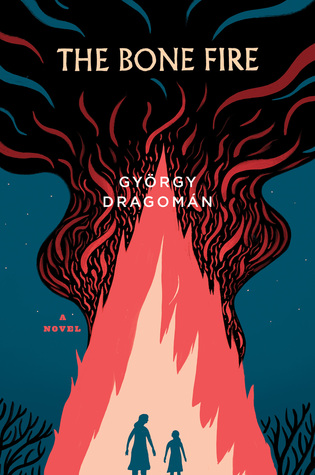
The Bone Fire by György Dragomán (translated by Ottilie Mulzet) looks through the eyes of a 13 year old orphan at an Eastern European country after a revolution
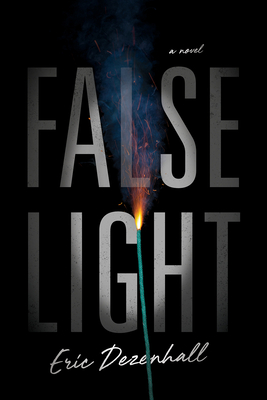
False Light by Eric Dezenhall is a novel about a cynical, old-school journalist being ousted from the occupation, out for revenge to help a friend.
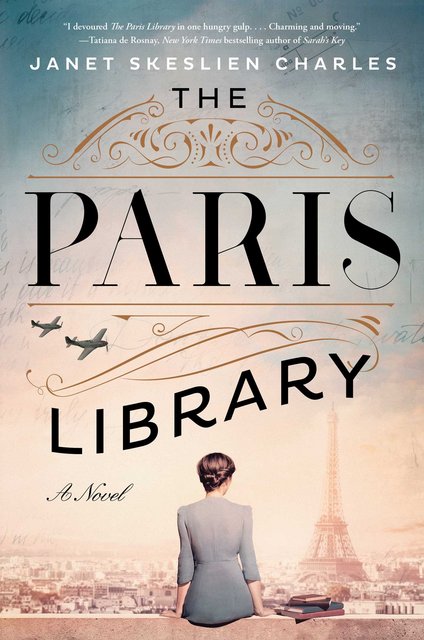
In 1939, Paris, Odile Souchet has her life on track. She’s working in her dream job at the American Library in Paris, a great boyfriend working as a cop, and a loving family.
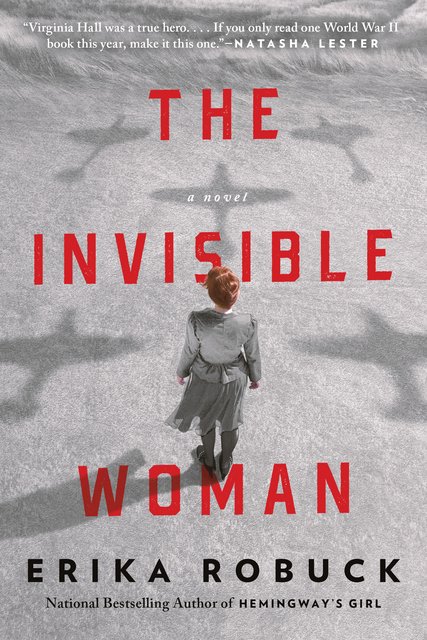
Virginia Hall is an American from Baltimore, for her France is a second home. Virginia volunteers to work with the SOE and the OSS to coordinate the response of the French Resistance with the Allies, prior to D-Day.
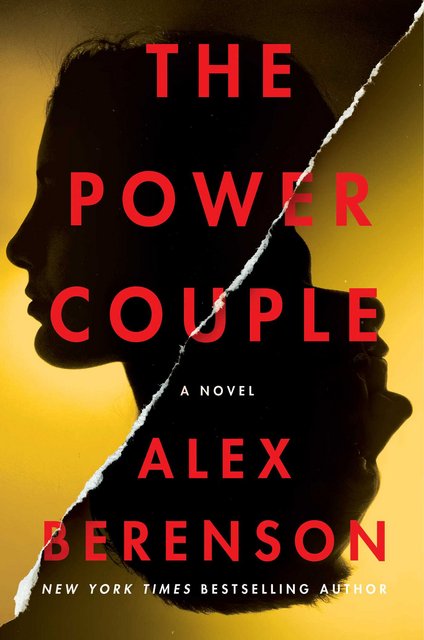
I enjoyed this book very much, it was fast paced, well written, and a lot of fun to read. A novel mixing up family drama and espionage – who could ask for more?
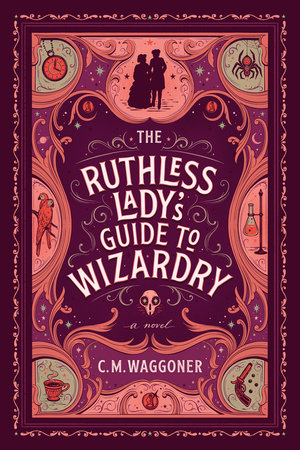
Dellaria Wells, Delly, is a hard-drinking thief, about to be evicted from her apartment in Leiscourt. Delly is also a talented fire-witch, but has no idea how to hone her skills. Delly fast-talks herself into a good paying job, protecting a young rich lady from assassination.
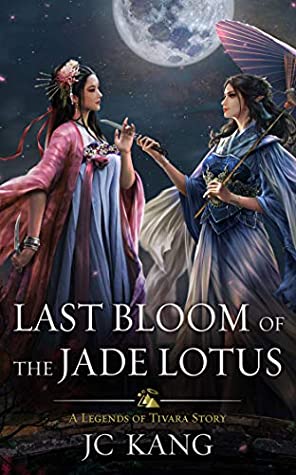
The story revolves around Jie and Lilian’s blossoming love, while at the same time Lilian is planning a way to get herself out of the Black Lotus Clan, even considering killing Jie. In the present, Jie, Tian, and the rest are busy protecting the Empire from being overthrown.
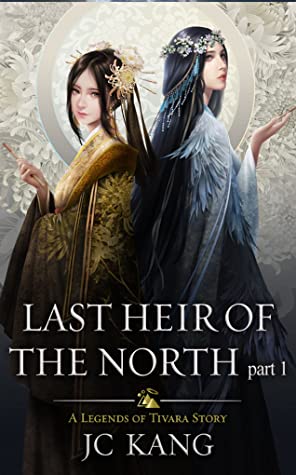
The North is rebelling against the Chinese Emperor, intending to secede from the Empire. Last time this happened, Lord Yu and his family were killed for treason, the only survivor was the three year old daughter, Yu Mei, witnessing the murders.