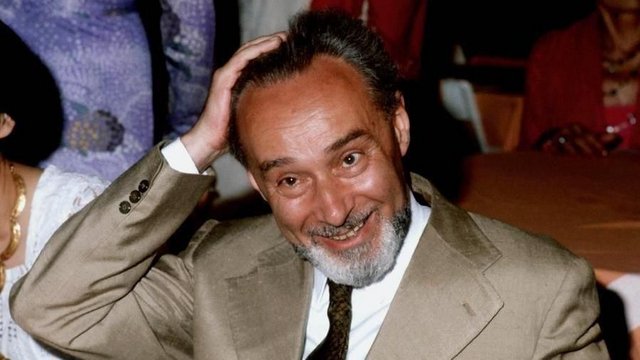
Primo Levi (31 July, 1919 – 11 April, 1987) was an Italian chemist and writer books about his experiences as a Jewish man during World War II.
A Bookish Blog
Primo Levi (31 July, 1919 – 11 April, 1987) was an Italian chemist and writer books about his experiences as a Jewish man during World War II.
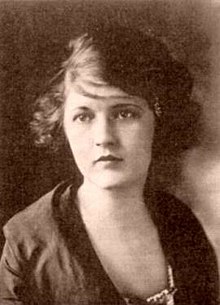
Zelda Fitzgerald (24 July, 1900 – 10 March, 1948) was an American author, painter and socialite. Together with her husband, F. Scott Fitzgerald, they became the symbol for the Roaring 20s.
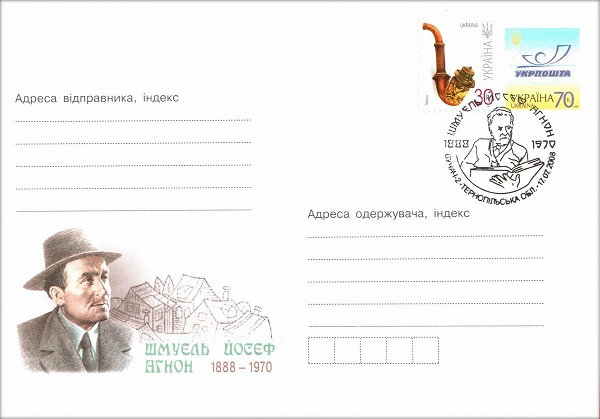
S.Y. Agnon – ש”י עגנון (17 July, 1888 – 17 February, 1970) was an Israeli author, a Noble Prize winner, and one of the central figures in modern Israeli literature.
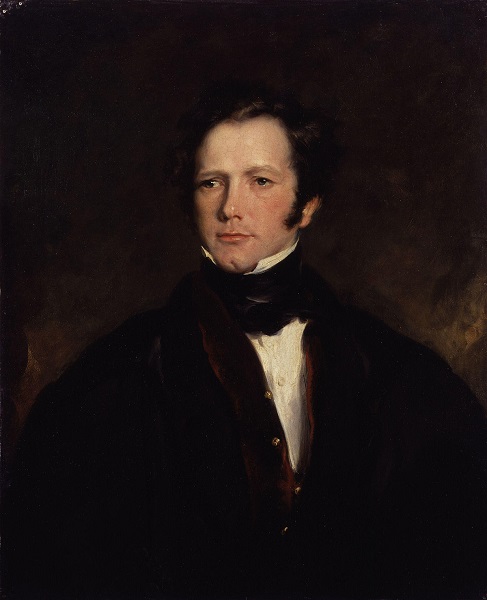
Captain Frederick Marryat (10 July, 1792 – 9 August, 1848) was a Royal Navy officer, and a novelist who pioneered historical naval fiction.
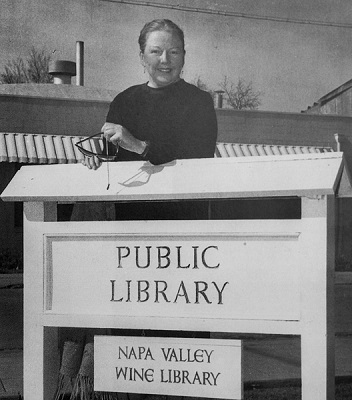
M.F.K. Fisher (3 July, 1908 – 22 June, 1992) was a food writer and translator. Ms. Fisher believed that eating well was one of the “arts of life”
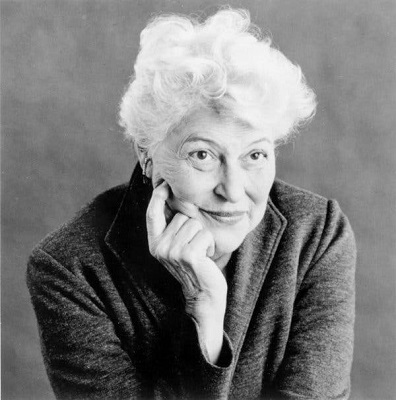
Charlotte Zolotow (26 June, 1915 – 19 November, 2013) was a prolific writer of children books, editor and poet. Mrs. Zolotow was a prolific children book author who did not shy away from examining difficult subjects.
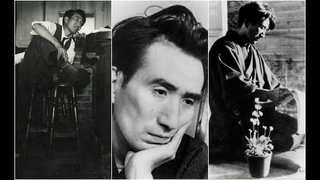
Osamu Dazai (19 June, 1909 – 13 June, 1948) was an author from Japan who is considered to be one of the most important writers of fiction from that country.

Rodney William Whitaker (12 June, 1931 – 14 December, 2005) was an author, educator, and film scholar. Mr. Whitaker wrote under several nom de plumes, but the most famous one was Trevanian.
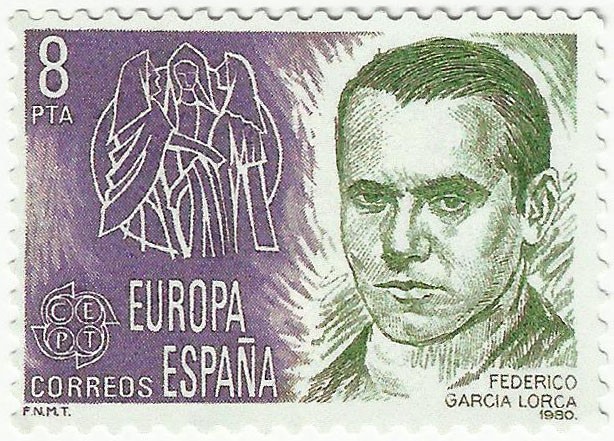
Federico García Lorca (5 June, 1898 – 19 August, 1936) was a Spanish playwright, director, and poet. Mr. Lorca was internationally known as a member of the group of poets known as Generation of ’27.
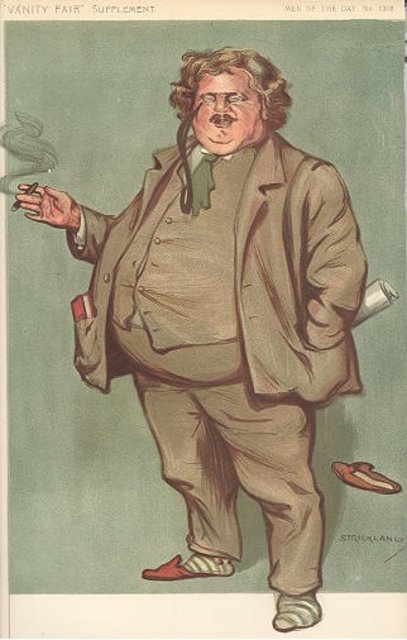
G.K. Chesterton was an English writer, theologian, critic, and philosopher. Mr. Chesterton’s most famous creating is the priest-detective Father Brown.