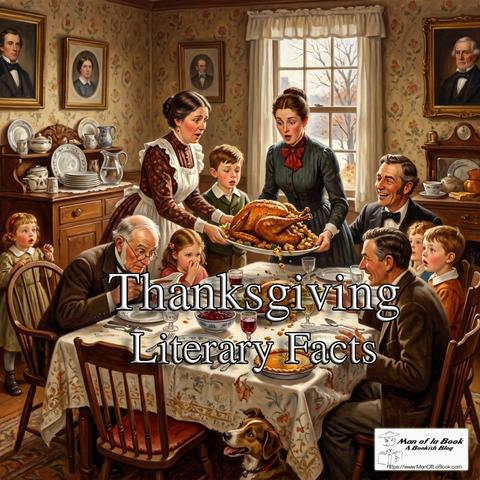
Thanksgiving is not just a feast on the table, but a feast for the imagination as well, and has been for decades. The holiday has inspired storytellers, poets and novelists who were enamored with the holiday’s charm, messy, heartwarming and chaotic spirit. The literary history behind America’s favorite autumn tradition is packed with literary surprises.
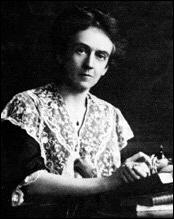
1. Sarah Josepha Hale, the author of Mary Had a Little Lamb, has lobbied five Presidents for 36 years to declare Thanksgiving a national holiday. Abraham Lincoln finally did so in 1863, with a soaring, poetic prose drafted by William H. Seward, his Secretary of State.
2. Even though the first Thanksgiving, a feast in 1621 is known to every school child in America, we only have two primary sources telling about it. William Bradford’s Of Plymouth Plantation and a letter by Edward Winslow published in Mourt’s Relation.
Mr. Bradford’s manuscript was missing for several decades due to being looted by British soldiers during the American Revolution. It was discovered in 1855 in the Bishop of London’s library and returned to Massachusetts in 1897.
3. However, neither of the 1621 accounts use the word “Thanksgiving” describing the celebration. To the Pilgrims, a day of Thanksgiving was to be spent in solem prayer, not eating until you explode, and then eating some more.
4. The 1819–1820 collection, The Sketch Book of Geoffrey Crayon, Gent. by Washington Irving heavily influenced how Americans imagine and celebrate Thanksgiving by portraying a nostalgic harvest feasts.
5. An 1843 novella was so poplar with its description of stuffed bird, pudding, and family togetherness that Americans incorporated those traditions into Thanksgiving. The novella was about a different holiday though, it was Charles Dickens’ A Christmas Carol.
6. Mark Twain hated Thanksgiving sermons, finding them hypocritical and famously said that Thanksgiving Day was “a day to be thankful for what we didn’t get” as much as what we did.
He loved the food though.
7. The Elliotts, a family of supernatural monsters in Ray Bradbury’s 1946 The Homecoming, gathers for their autumn reunion every year. The story blends gothic fantasy with the American Thanksgiving family trope.
8. In Philip Roth’s classic 1997 novel, American Pastoral, the author uses the holiday to closely examine the American Dream.
9. Charlotte’s Web by E. B. White tells of how Charlotte the spider saves Wilbur the pig from the Christmas slaughterhouse and the constant dread of the autumn feasts.
10. Nathaniel Hawthorne’s first published story, and other stories to follow were about Thanksgiving. The Hollow of the Three Hills, (published anonymously), An Old Woman’s Tale and The Wives of the Dead tapped into New England’s autumn traditions.
Zohar – Man of la Book